Ship Maintenance Periods: Keeping Vessels in Peak Condition
Introduction to Ship Maintenance
The Economics of Ship Operations
Understanding Repair Periods
- Availability - A scheduled period when the vessel is taken out of service for planned maintenance. This term is commonly used in military and commercial shipping to indicate when a ship is "available" for maintenance work rather than operational duties.
- Shipyard Period - A comprehensive maintenance period conducted at a specialized shipyard facility. These periods often involve major repairs, upgrades, or overhauls that require specialized equipment and expertise.
- Yard Period - Similar to a shipyard period but typically shorter in duration. These periods focus on routine maintenance and minor repairs that can be completed within a few days to weeks.
- Maintenance Period - A general term encompassing any scheduled time when the vessel undergoes maintenance work. This can range from minor repairs to major overhauls, depending on the vessel's needs.
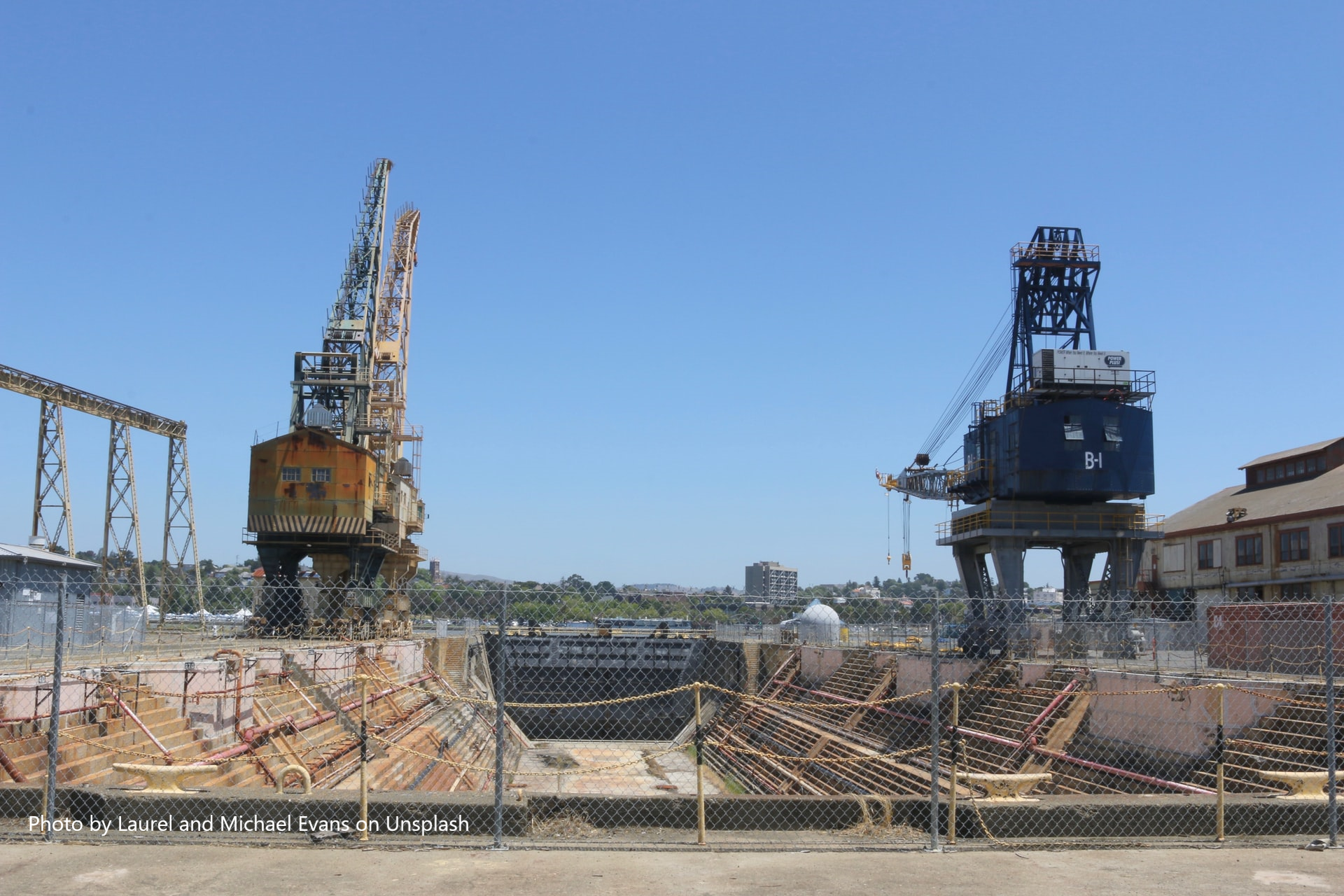
- Dry Dock - A specialized type of maintenance period where the vessel is taken out of the water for below-waterline maintenance. This is a critical period for inspecting and repairing the hull, propeller, and other underwater components — work carried out by drydock, hull and coatings specialists.
Planning and Scheduling Maintenance
- Shipyard Selection - Choosing the right shipyard involves evaluating factors such as location, capabilities, cost, and availability. Companies often maintain relationships with multiple shipyards worldwide to ensure they can secure maintenance slots when needed.
- Maintenance Planning - Detailed planning involves creating a comprehensive list of maintenance items, estimating required time and resources, and coordinating with equipment manufacturers for specialized parts and expertise.
- Logistics Coordination - Arranging the vessel's arrival at the shipyard requires careful timing to minimize operational disruption. This includes coordinating with port authorities, arranging tug services, and planning crew accommodations during the maintenance period.
- Crew Management - Planning for crew accommodations and rotations during maintenance periods is crucial. Some crew members may remain onboard to oversee work, while others may be rotated out to reduce costs during extended maintenance periods. For more about ship crew structure, see our article on ship crew structure.
Types of Repair Periods
- Routine Maintenance - Regular inspections and servicing of equipment, including engine maintenance, electrical system checks, and safety equipment inspections. These activities help prevent major breakdowns and ensure regulatory compliance.
- Emergency Repairs - Addressing unexpected equipment failures or damage that occurs during normal operations. Quick response to these issues is crucial to minimize downtime and prevent more serious problems.
- Duration and Location - These periods can range from a few days for minor maintenance to several weeks for more extensive repairs. They can be conducted at any suitable port facility worldwide, providing flexibility in scheduling. For more about ship operations, see our article on in port vs maneuvering vs at sea.
- Dock Preparation - The vessel is carefully positioned in a dry dock, which is then sealed and drained. Specialized blocks and supports are arranged to ensure the vessel's stability during the maintenance period.
- Below-Waterline Access - Once the dock is drained, the entire hull becomes accessible for inspection and maintenance. This is the only time when the complete underwater portion of the vessel can be thoroughly examined and repaired.
- Critical Maintenance Areas - Several crucial systems require attention during dry docking:
- Hull Integrity - Inspection and repair of the hull structure, including checking for corrosion, cracks, and other structural issues. This is also when the hull is cleaned and repainted with specialized anti-fouling coatings.
- Propeller Systems - Maintenance of the propeller, shaft, and associated bearings. This includes checking for damage, wear, and proper alignment of these critical components.
- Rudder Mechanisms - Inspection and maintenance of the rudder system, including the rudder stock, bearings, and steering gear. Proper functioning of these systems is essential for vessel maneuverability.
- Water Intake Systems - Maintenance of sea chests, valves, and piping systems that handle seawater intake for cooling and other purposes. These systems are crucial for the vessel's operation and require regular inspection.
- Stern Tube Seals - Inspection and maintenance of the seals that prevent water from entering the vessel through the propeller shaft opening. These seals are critical for maintaining watertight integrity.
- Transportability - These facilities can be towed to different locations, allowing maintenance to be performed closer to the vessel's operational area. This reduces transit time and costs associated with moving vessels to traditional dry dock facilities.
- Deployment Flexibility - Mobile dry docks can be set up in various locations, including ports without permanent dry dock facilities. This flexibility is particularly valuable for emergency repairs or maintenance in remote areas.
- Scheduling Advantages - The ability to bring the dry dock to the vessel rather than vice versa provides significant scheduling flexibility. This can help reduce operational downtime and improve maintenance efficiency.
- Cost Efficiency - By reducing transit time and providing more flexible scheduling options, mobile dry docks can offer cost savings compared to traditional dry dock facilities, especially for vessels operating in remote areas.
Maintenance Priorities and Regulations
- Equipment Standards - International and national regulations specify minimum standards for equipment maintenance and performance. These standards are enforced through regular inspections and certification requirements.
- Safety Inspections - Regular safety inspections are required to ensure that all safety equipment and systems are functioning properly. These inspections are conducted by both internal crew and external regulatory bodies.
- Environmental Compliance - Strict environmental regulations govern maintenance activities, particularly those involving hazardous materials or potential environmental impacts. Proper waste management and pollution prevention are critical aspects of maintenance operations. For more about how ships handle waste, see our article on how do ships get rid of waste.
- Crew Certification - Maintenance personnel must hold appropriate certifications and undergo regular training to ensure they can perform maintenance tasks safely and effectively. This includes both technical skills and safety training. For more about marine engineering careers, see our article on what do marine engineers do.
Conclusion
Share This Article
Find Marine Services Near You
Browse vetted shipyards and marine service providers across major US ports.
Related Articles
Continue reading with these related articles

What Are The Different Types of Ships?
Learn about the different types of ships, from container ships to oil tankers to heavy lift vessels, and their unique characteristics and roles in global maritime commerce.
Maritime Robotics: Automated Systems for Ship Maintenance and Operations
Explore maritime robotics and automated systems for ship maintenance and operations. Learn about underwater robots, ship inspection drones, and automated maintenance technology.
3D Printing in Maritime: Additive Manufacturing for Ship Parts and Repairs
Discover how 3D printing and additive manufacturing are revolutionizing maritime operations. Learn about ship part production, maritime 3D printing, and on-demand manufacturing at sea.
Maritime IoT and Smart Ship Technology: Connected Vessels of the Future
Discover how Maritime IoT and smart ship technology are creating connected vessels. Learn about ship sensors, data analytics, and the Internet of Things in maritime operations.