How Do Ships Work
The Basics
First Things First
- Electrical Systems – (The Brains) - An electrical power generation system is at the top of this list. Although it is not the only critical system a ship will have, almost all the other systems on modern ships depend, directly or indirectly, on being provided with electricity, so I’ve put this at number 1 on the list.
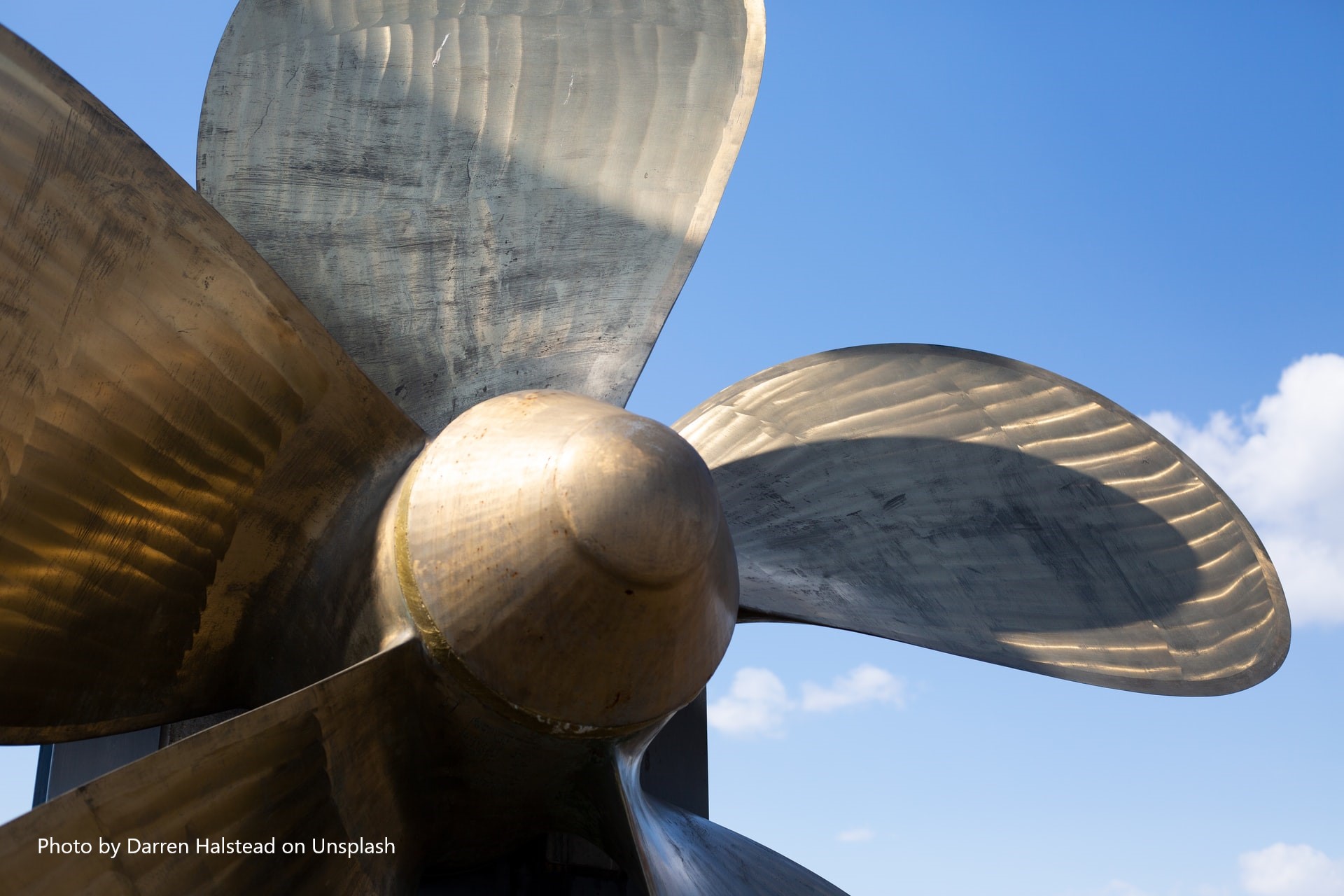
- A Propulsion Systems – (The Muscles) - As stated above, all ships will have some variant of one of these three types of systems (Gas Turbine, Steam, or Diesel Engines) to propel the ship as needed. Obviously, this system is needed to move the ship.
- Lubricating Oil Systems – (Bodily fluids?) - Ships are basically all metal and rely heavily on things rotating to make the ship work such as the propeller shaft, pumps, engines…etc. Without lubricating oil, to separate the rotating elements of, say, one of the propeller shaft bearings, the metal parts would just rub against each other and create so much heat that they would melt or become deformed and not work properly, rendering the ship unable to move. For more on ship maintenance, see our article on ship maintenance periods.
- Fuel Oil Systems – (Calories/Food) - Ships need fuel just like anything else. Therefore, obviously the fuel system is a major part of any ship. Fuel is consumed by a ship in the same way a human consumes calories, just on a much larger scale. For more on this, see our article on ship fuel systems.
- Air Conditioning - Ships have what’s called a ‘Chiller’ or AC Chiller to keep things cool. A Chiller is essentially a large HVAC (Heating, Ventilation, and Air Conditioning) system for the ship. While the Chillers do serve to keep the house (where the crew resides) cool, the primary purpose of the HVAC system is to keep the electronic equipment cool. Modern ships have sensitive electronic equipment that require temperatures to be maintained below a certain level to work properly. Therefore, they must be provided with cool air in order to remove the heat from the machinery and electronics.
- Steering Gear System - The steering gear system is what controls the ship’s rudder. Obviously, this is necessary for the ship to be able to get from point A to point B, much like the steering wheel on a car.
These are a few of the major systems that are required to be up and running to get the ship moving from point A to point B. Some other ship systems include:
- Fire Systems - to include all the pumps, fire detectors, Halon, CO2 systems..etc.
- Water Systems - to create potable water for consumption by the crew and distilled water for use in ship’s machinery.
- Cooling Water Systems - To remove heat from the various pieces of equipment.
- Refrigeration system - to keep the food cold.
- Sewage System
All these systems can be broken down into smaller systems as well. If you’re interested in working with these systems, see our guide on what do marine engineers do.
Power
Propulsion
Steam Ships
Share This Article
Find Marine Services Near You
Browse vetted shipyards and marine service providers across major US ports.
Related Articles
Continue reading with these related articles

Autonomous Ships: The Future of Unmanned Maritime Transportation
Discover how autonomous ships are revolutionizing maritime transportation. Learn about unmanned vessels, AI navigation systems, and the future of crewless shipping operations.
How Much Do Ship's Officers and Crew Make? Complete Salary Guide for Maritime Careers
Discover comprehensive salary information for ship officers and crew members. Learn about merchant mariner compensation, work schedules, vacation pay, and career opportunities at sea.
In Port vs. Maneuvering vs. At Sea: Understanding Different Ship Operations
Learn about the distinct operational modes of ships: port operations, maneuvering, and open sea navigation, and how they affect crew responsibilities.
Passenger Safety at Sea: A Comprehensive Guide to Maritime Safety Protocols and Procedures
Discover comprehensive passenger safety protocols at sea, from emergency procedures to safety equipment. Learn about cruise ship safety, medical facilities, and maritime emergency response systems that protect passengers.