Published: August 22, 2026
8 min read
What Happened to the SLNC York? Understanding the Shaft-Seal Flooding
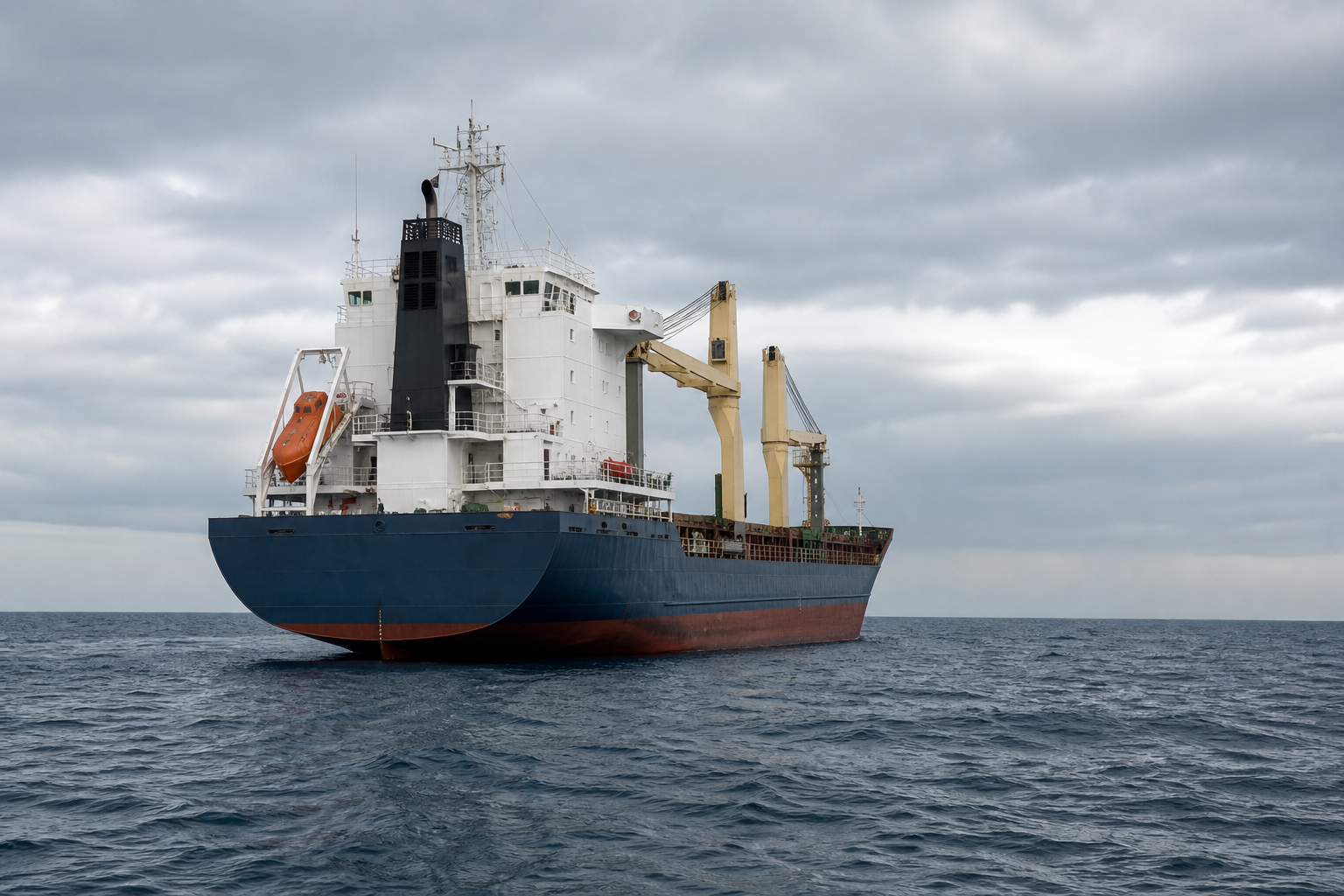
A major flooding casualty in the Pacific
What is confirmed about the SLNC York incident
What does the SLNC York footage appear to show?
How do a stern tube and shaft seals keep the ocean out?
How might the crew have first noticed the flooding?
- A high-level float alarm from a bilge pocket in the shaft alley or nearby engineering space.
- Stern-tube lubricating-oil pressure, level, temperature, or related machinery alarms, depending on the installed system.
- A change in propulsion, shaft speed, vibration, or load noticed by the bridge or engine-control room.
- An engineer on rounds directly seeing the water, or hearing, feeling, or smelling something abnormal before an alarm provided the full picture.
How would a ship respond to machinery-space flooding?
- Identify the source and rate of flooding without exposing people to an unacceptable hazard.
- Stop or isolate affected machinery and systems when doing so can reduce the casualty.
- Secure watertight doors and other boundaries to limit progressive flooding.
- Use installed bilge pumps, emergency bilge suction, portable submersible pumps, or other suitable pumping arrangements.
- Attempt plugs, patches, shoring, or bracing only where the opening is accessible and the work can be done safely.
- Track water level, list, trim, electrical hazards, machinery condition, and the integrity of adjacent compartments while preparing lifesaving gear.
Why might the pumps and temporary repairs not be enough?
How do watertight compartments help keep a damaged ship afloat?
Why abandon a ship that is still floating?
What remains unknown
Share This Article
Related Articles
Continue reading with these related articles

Flooding Emergencies Onboard Ships: Detection, Response, and Damage Control
Learn about flooding emergencies onboard ships, from detection systems to response procedures. Discover how marine engineers handle seawater strainer failures, bilge alarms, and damage control to keep ships safe at sea.
Engineering Emergencies Onboard Ships: When Things Go Wrong at Sea
Discover the most common engineering emergencies onboard ships and how marine engineers are trained to handle them. Learn about fires, flooding, equipment failures, and the critical response procedures that keep ships safe at sea.
Medical Emergencies at Sea: Onboard Medical Facilities and Emergency Medical Response
Discover how medical emergencies are handled at sea, from onboard medical facilities to helicopter medevac flights. Learn about cruise ship medical centers, hospital ships like USS Mercy and USS Comfort, and emergency medical response procedures.
Ship Safety Drills: What Passengers Need to Know About Emergency Training and Procedures
Learn about ship safety drills and emergency training procedures. Discover what passengers can expect during safety drills, how crews practice emergency procedures, and why these drills are essential for maritime safety.